
Summer Foot Care: 5 Ways to Keep Feet Healthy in Heat
Summer foot care involves protecting your feet from heat-related issues like swelling, blisters, sunburn, and fungal infections. By staying hydrated, wearing supportive footwear, and maintaining proper hygiene, you can prevent discomfort and maintain mobility during high temperatures. Consistency is key to avoiding common summer foot complications and long-term pain.
Why do my feet swell in hot weather?
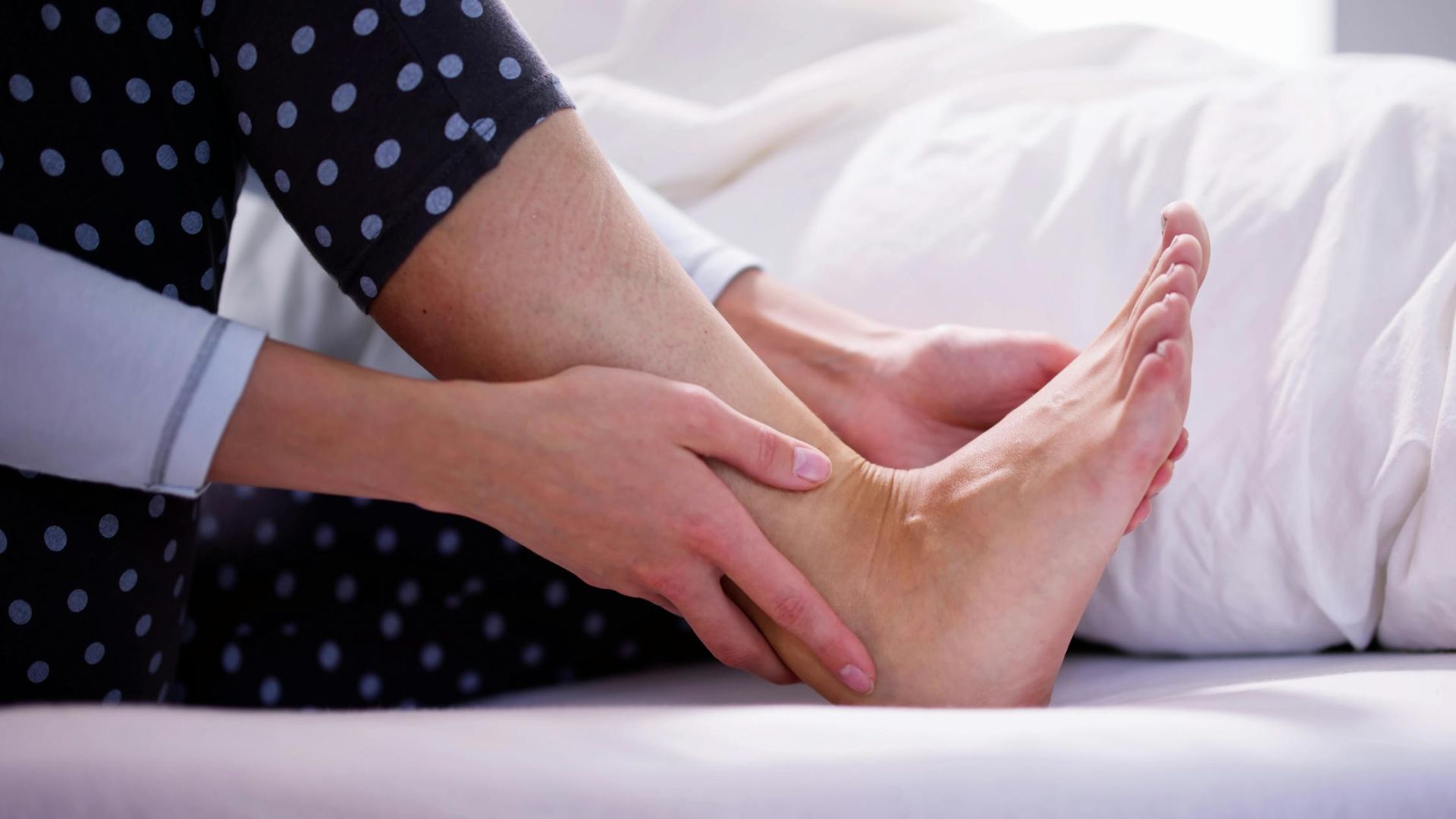
If you have ever noticed your shoes feeling tighter by the end of a long summer day, you are not alone. Heat edema is a common condition where the body’s blood vessels dilate to help cool the body down. This process, known as vasodilation, allows more blood to flow to the skin's surface, but gravity can cause fluid to pool in the lowest points of the body—your feet and ankles. When the surrounding tissues become saturated with this fluid, you experience that uncomfortable, heavy sensation of swelling.
While heat-related swelling is often temporary, it can exacerbate existing issues like Heel Pain or make walking difficult. The salt in your diet can also play a major role, as sodium encourages the body to retain even more water during high temperatures. To manage this naturally, focus on these three habits:
- Elevate your feet above your heart for 20 minutes daily.
- Reduce sodium intake during heatwaves.
- Stay active with low-impact movement to encourage circulation.
- Drink at least 8-10 glasses of water to flush out excess salt.
- Wear graduated compression socks if you are traveling or standing.
If the swelling is persistent or occurs only in one leg, it is important to consult a professional to rule out more serious vascular issues. For many, simply cooling down the body and staying hydrated is enough to keep the puffiness at bay.
How can I prevent summer blisters?
Summer is the prime season for blisters because of the combination of heat, moisture, and friction. As your feet sweat in the humidity, the skin softens, making it more susceptible to tearing when it rubs against your shoes. This is particularly common when people switch from closed-toe shoes to sandals or new summer heels without a proper break-in period. Blisters are not just a nuisance; if they pop, they can lead to infections, which is a major concern for those requiring Diabetic Foot Care .
To keep your skin intact, you must manage the friction. Moisture-wicking socks made of synthetic blends or merino wool are far superior to cotton, which traps sweat against the skin. If you are wearing sandals, look for styles with adjustable straps to prevent your foot from sliding around. You can also apply anti-friction balms or moleskin to known "hot spots" before you head out for a long walk. Keeping your feet dry with a light dusting of antifungal powder can also serve a dual purpose by reducing both moisture and the risk of Athlete's Foot .
Strategies for preventing foot sunburn
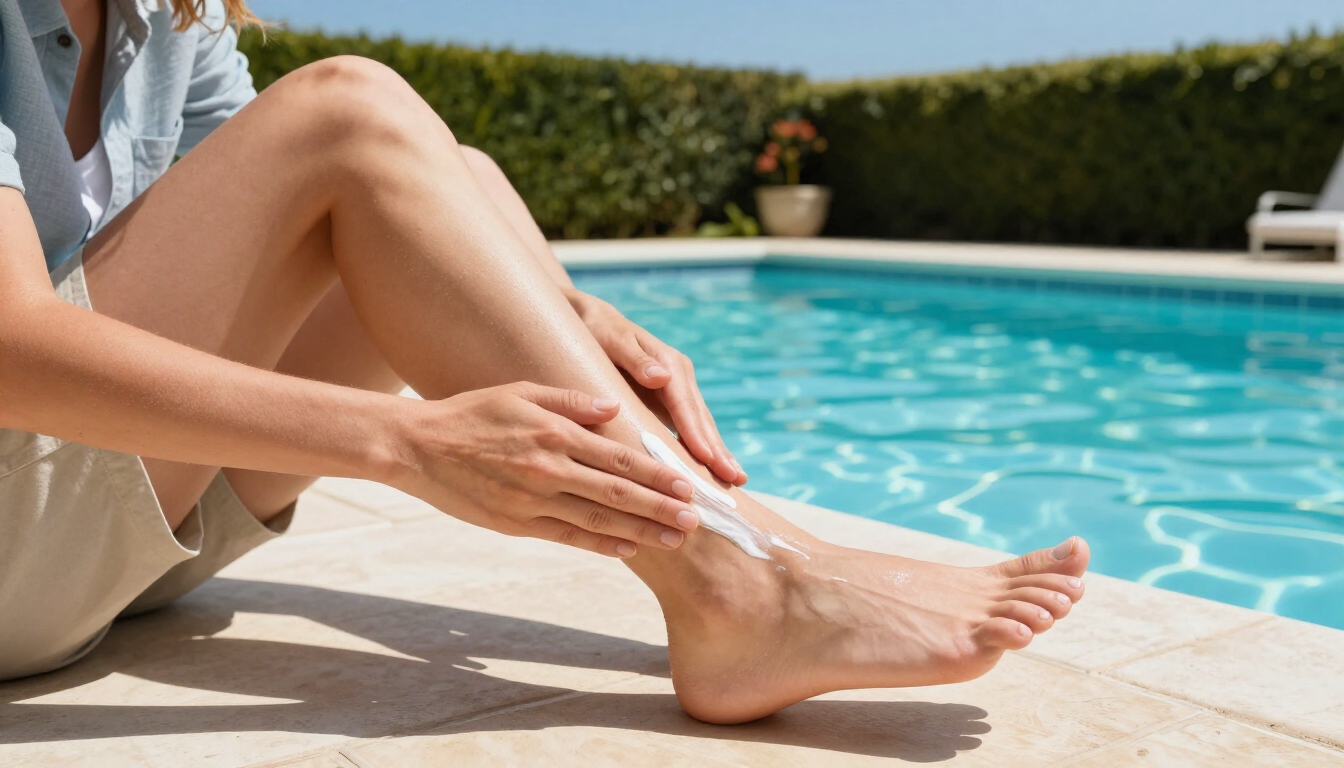
Many people remember to apply sunscreen to their face, shoulders, and back, but the tops of the feet are frequently forgotten. The skin on the dorsum (top) of your foot is thin and highly sensitive to UV rays. Because the feet are often positioned horizontally while lounging or walking in sandals, they receive direct sun exposure for hours at a time. A severe sunburn on the feet can cause intense pain, swelling, and even make it impossible to wear shoes for several days.
To protect your skin, apply a broad-spectrum SPF 30 or higher to the entire foot, including the ankles and between the toes. If you are swimming or sweating, you must reapply every two hours. For those who spend a lot of time outdoors, wearing lightweight, UV-protective water shoes or breathable sneakers can provide a physical barrier against the sun. Remember that pavement and sand also reflect UV rays, increasing the intensity of exposure even if you are sitting under an umbrella. If you do get burned, use cool compresses and aloe vera, and stay off your feet to minimize further swelling.
What is the best footwear for summer foot health?
While flip-flops are a summer staple, they are often the worst choice for long-term foot health. Most standard flip-flops provide zero arch support and very little cushioning, which can lead to a flare-up of Plantar Fasciitis . Furthermore, because flip-flops require your toes to "grip" the shoe to keep it on, they can contribute to the development of Hammertoes or worsen existing Bunions over time.
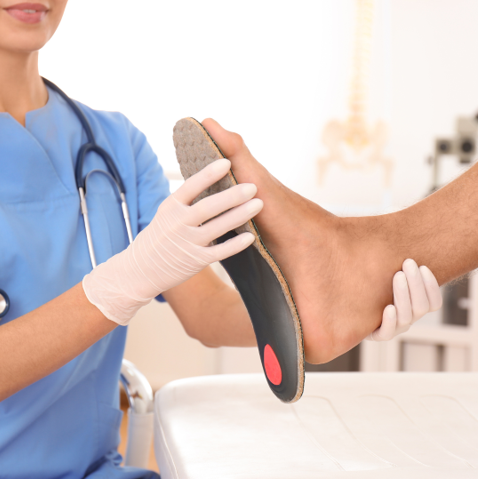
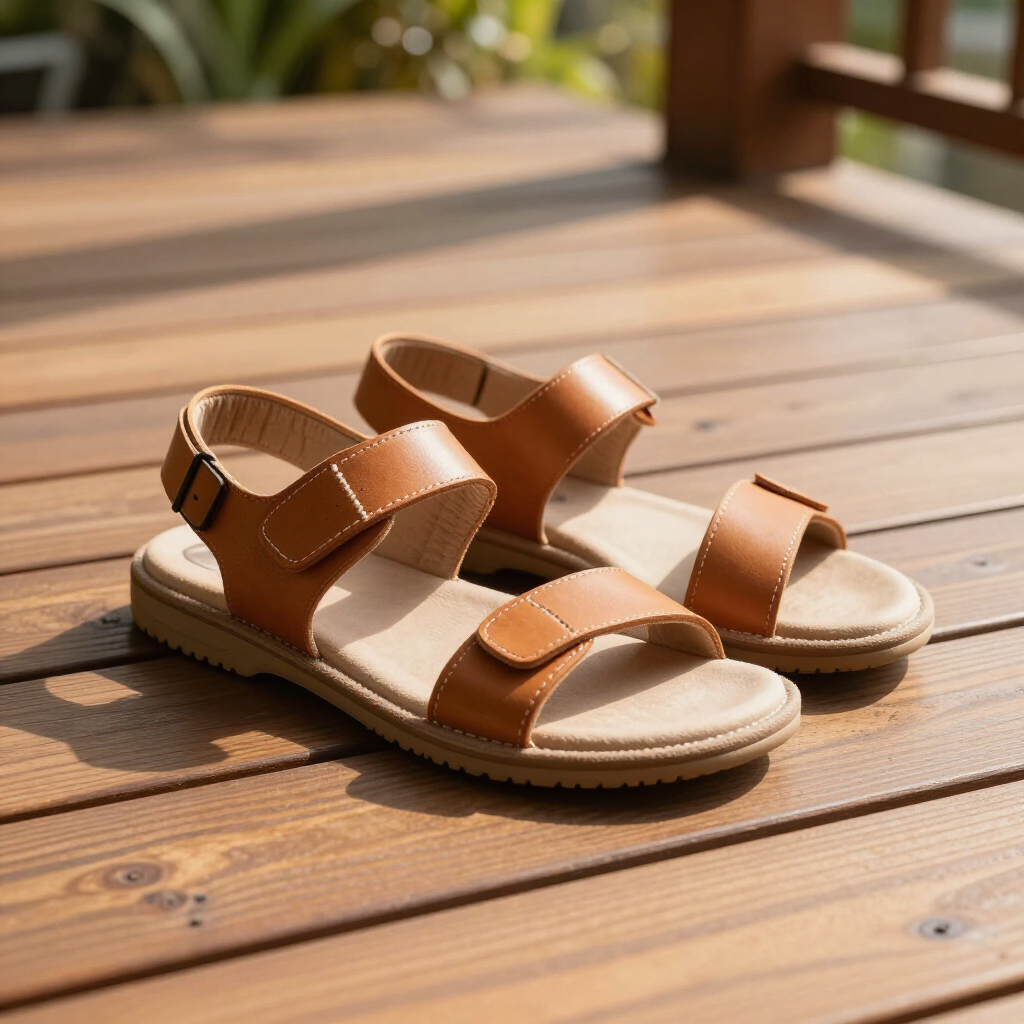
When choosing summer footwear, look for sandals that have a contoured footbed and at least one strap around the ankle. This stability prevents the foot from straining with every step. For those who require extra support, many modern sandals are designed to accommodate custom Orthotics or come with built-in medical-grade support. A good summer shoe should have:
- A firm sole that doesn't fold in half.
- Arch support to distribute weight evenly.
- Deep heel cups for stability.
- Adjustable straps for a secure fit.
- Breathable materials like leather or mesh.
Walking barefoot is also common in the summer, but it increases the risk of stepping on sharp objects, developing Warts , or burning the soles of your feet on hot pavement. Always wear some form of protection when walking on public pool decks or hot sand.
Stop fungal infections before they start
Fungi thrive in warm, damp, and dark environments, making summer the peak season for infections. Public areas like locker rooms, community pools, and gym showers are hotspots for the organisms that cause Athlete's Foot and Fungal Toenails . These conditions are highly contagious and can be difficult to clear up once they take hold. If you notice itching, scaling, or discolored nails, it is time to seek professional treatment.
Prevention is much easier than a cure. Always wear shower shoes or waterproof sandals in public moist areas. After swimming or bathing, dry your feet thoroughly, paying special attention to the spaces between your toes. If your feet sweat excessively, consider changing your socks halfway through the day. Rotating your shoes is also vital; give each pair 24 hours to air out completely before wearing them again. This prevents the moisture from building up inside the material, creating a breeding ground for bacteria and fungi.
Managing existing foot conditions in summer heat
For patients already dealing with chronic conditions, the summer months require extra vigilance. The heat can increase the sensitivity of nerves, potentially worsening the discomfort of Neuromas . Additionally, those with Arthritis may find that the fluctuations in humidity and temperature cause increased joint stiffness or localized inflammation in the toes and ankles. It is important to stay consistent with your prescribed treatments even when the weather tempts you to change your routine.
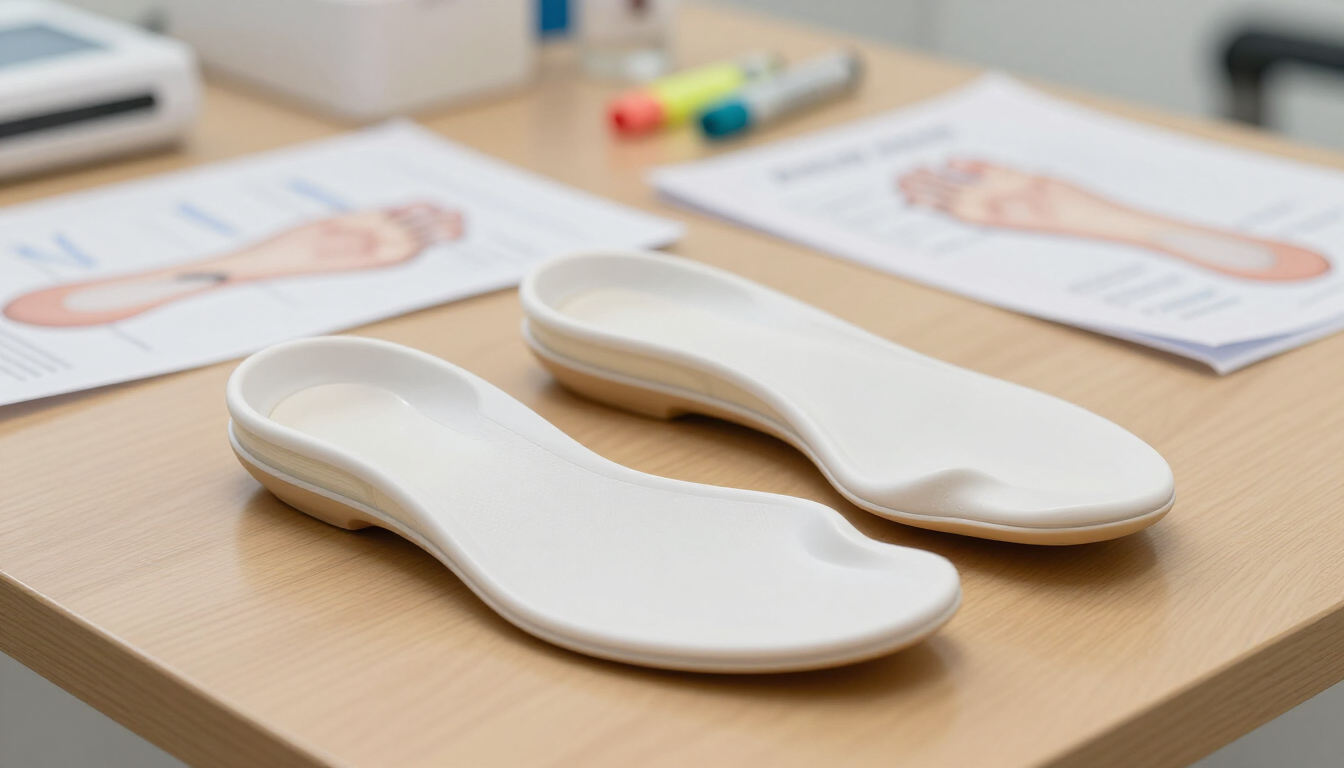
If you have been prescribed custom orthotics, do not abandon them for unsupportive sandals just because it is hot. Many manufacturers now offer summer-appropriate footwear that is compatible with your inserts. Keeping your weight distributed correctly is the best way to prevent the seasonal surge in foot pain. If you find that your symptoms are worsening despite your best efforts, consider scheduling a check-up to discuss advanced options like MLS Laser Therapy , which can reduce inflammation and speed up healing for a variety of summer injuries.
Essential Summer Foot Care Takeaways
Maintaining healthy feet during the summer requires a proactive approach to hygiene, hydration, and footwear. By understanding how heat affects your circulation and skin, you can prevent the most common seasonal ailments and enjoy your outdoor activities without pain. If you experience persistent swelling, signs of infection, or sharp pain, seeking professional podiatric care early can prevent a minor issue from becoming a summer-long problem.
- Hydrate and Elevate : Combat heat-induced swelling by drinking water and resting with your feet up.
- Choose Support : Prioritize sandals with arch support and ankle straps over flat flip-flops.
- Apply Sunscreen : Protect the tops of your feet with SPF 30+ to avoid painful burns.
- Keep it Dry : Prevent fungal infections by drying between toes and using antifungal powders.
- Monitor Skin : Check daily for blisters or cuts, especially if you have a pre-existing condition like diabetes.
By following these simple steps, you can keep your feet comfortable, healthy, and ready for every summer adventure.