

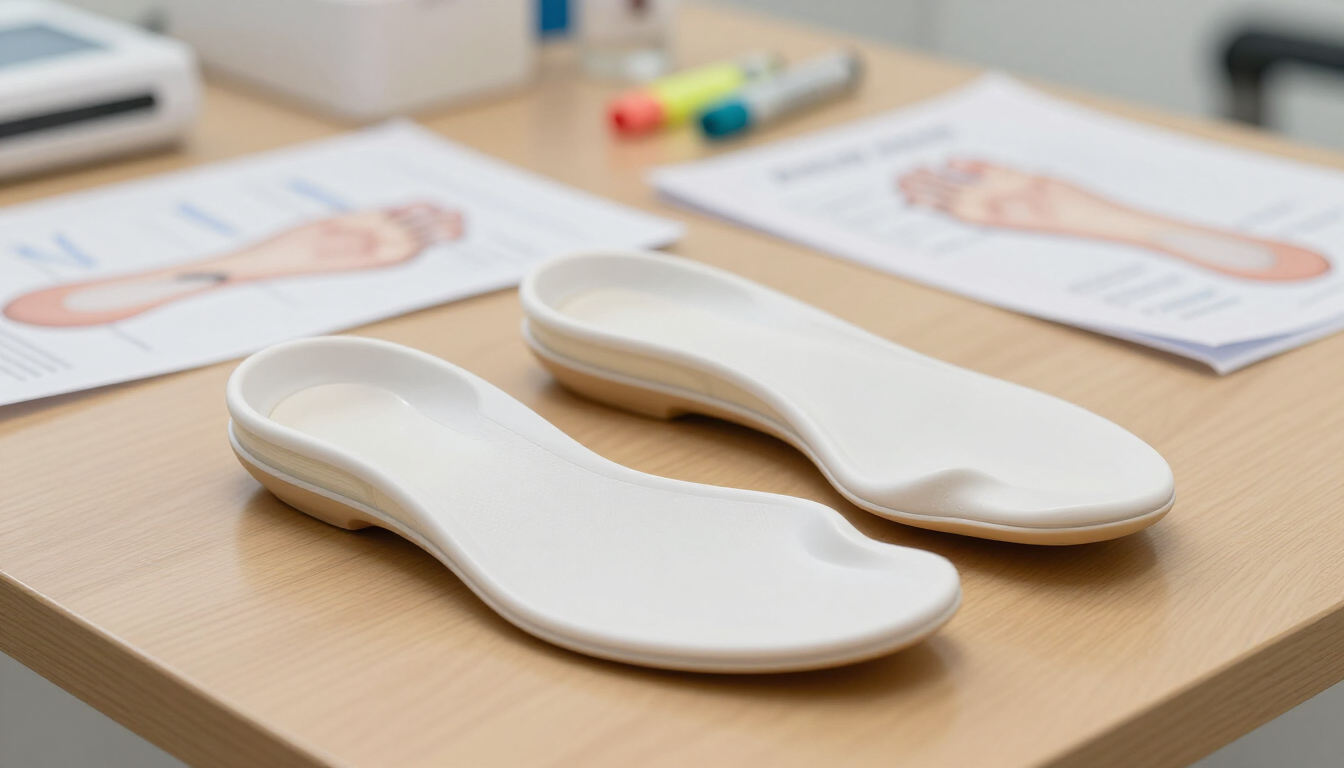
How Sports Medicine in Podiatry Speeds Recovery

October 12, 2026

Sports medicine in podiatry helps people recover from foot and ankle injuries through accurate diagnosis, targeted treatment, rehabilitation, and prevention. A podiatrist combines sports-injury expertise with specialized knowledge of the feet and ankles, helping active patients return to work, training, and everyday movement safely and confidently.

Athlete receiving sports medicine in podiatry care

What does sports medicine in podiatry involve?

Sports medicine in podiatry focuses on preventing, diagnosing, and treating injuries that affect the foot, ankle, and lower leg. It is useful for runners, recreational athletes, dancers, workers, and anyone whose activity is limited by pain.

A podiatrist may evaluate:

  • How you walk, run, land, or change direction
  • Joint mobility, muscle strength, and balance
  • Foot structure, alignment, and pressure distribution
  • Training habits, footwear, and previous injuries
  • Symptoms such as swelling, instability, or persistent pain

The goal is not simply to reduce discomfort. It is to identify why the injury happened, restore useful movement, and reduce the chance of reinjury.

Which sports injuries can a podiatrist treat?

A podiatrist can treat many common athletic injuries, including:

  1. Ankle sprains: Ligament injuries that may cause swelling, bruising, and instability. Learn more about ankle sprains .
  2. Achilles tendonitis: Irritation or degeneration in the tendon connecting the calf to the heel. See our guide to Achilles tendonitis .
  3. Plantar fasciitis: Heel or arch pain often linked to repetitive stress. Explore plantar fasciitis .
  4. Stress injuries: Small cracks or overload injuries caused by repeated impact.
  5. Neuromas: Irritated nerves that can create burning, tingling, or sharp forefoot pain. Review neuromas .

Other concerns may include tendon injuries, shin-related pain, blisters, fractures, cartilage problems, and recurring calluses caused by abnormal pressure.

How does a podiatrist diagnose a sports injury?

Diagnosis begins with a conversation about your symptoms, activity level, injury history, and goals. Your podiatrist then examines the painful area and may assess your walking pattern, range of motion, strength, and balance.

Depending on the situation, evaluation may include:

  • Weight-bearing X-rays
  • Ultrasound or other imaging referrals
  • Gait and movement assessment
  • Footwear and training review
  • Comparison of the injured and uninjured side

An accurate diagnosis matters because similar symptoms can have different causes. Heel pain, for example, may result from plantar fascia irritation, a stress injury, nerve involvement, or another condition. Treating the wrong problem can delay recovery.

What treatments help athletes recover?

Treatment depends on the injury, its severity, your health, and your activity goals. A customized plan may include:

  • Temporary activity modification rather than complete inactivity
  • Bracing, taping, or protective footwear
  • Stretching and strengthening exercises
  • Orthotics to improve support or pressure distribution
  • Physical therapy or a home rehabilitation program
  • Medication recommendations when appropriate
  • In-office options such as MLS Laser Therapy
  • Gradual return-to-sport guidance

For some patients, orthotics can improve alignment and reduce repeated stress during walking or exercise. Your podiatrist can explain whether they are appropriate and how to use them effectively.

Podiatrist guiding ankle mobility exercises

Why is rehabilitation important after foot or ankle pain?

Pain may improve before the injured tissues are ready for full activity. Rehabilitation helps rebuild strength, flexibility, balance, and confidence so the foot or ankle can handle normal demands again.

A progressive recovery plan often moves through these stages:

  1. Protect: Reduce movements that worsen symptoms and control swelling.
  2. Restore motion: Reintroduce comfortable movement without forcing pain.
  3. Build strength: Train the muscles and tendons that support the foot and ankle.
  4. Challenge balance: Improve stability with controlled single-leg and movement drills.
  5. Return gradually: Increase duration, speed, hills, jumping, or sport-specific activity step by step.

The right pace varies. Returning to running or competition too quickly can cause a setback, while avoiding movement for too long may lead to stiffness and weakness.

When should you see a podiatrist for a sports injury?

Consider scheduling an evaluation when pain lasts more than a few days, returns each time you exercise, or changes how you walk or train. You should also seek prompt care for significant swelling, deformity, inability to bear weight, numbness, or a sudden popping sensation.

Early evaluation can help distinguish a minor strain from an injury that needs protection or imaging. It may also prevent a compensation pattern, in which pain in one area causes extra stress elsewhere.

Do not rely on “pushing through” pain when symptoms are worsening. Athletes with diabetes, circulation concerns, neuropathy, or a history of stress injuries should be especially proactive. Our services page explains how Complete Foot & Ankle Care supports foot and ankle health.

A practical return-to-activity checklist

Before resuming your usual sport or workout, ask whether you can:

  • Walk normally without limping
  • Move the foot and ankle through a comfortable range
  • Complete basic strength and balance exercises
  • Train at low intensity without increasing symptoms later
  • Wear your activity-specific shoes comfortably

If pain, swelling, or instability returns, pause and contact your podiatrist for guidance. Recovery is not always linear, and adjusting the plan early is usually easier than managing a more serious setback.

How can you prevent future sports injuries?

Prevention starts with consistent preparation and attention to early warning signs. Helpful habits include warming up, increasing training volume gradually, replacing worn shoes, varying repetitive workouts, and strengthening the lower legs and feet.

It also helps to address contributing conditions such as flat feet , recurring ankle instability , or ongoing heel pain . A podiatrist can help connect these issues to your sport and recommend practical changes.

Key takeaways

  • Sports medicine in podiatry treats the causes and effects of foot and ankle injuries.
  • Diagnosis may include movement assessment, imaging, and review of footwear or training.
  • Rehabilitation restores motion, strength, balance, and sport-specific confidence.
  • Gradual return to activity is safer than exercising through worsening pain.
  • Early care can shorten disruption and reduce the risk of recurring injury.

If foot or ankle pain is limiting your activity, the next step is an evaluation with a qualified podiatrist. Complete Foot & Ankle Care can help you understand the injury, compare treatment options, and build a recovery plan suited to your goals. Contact the practice to arrange care.

Pair of professional custom orthotic inserts for foot support.
July 21, 2026
Explore the top benefits of custom orthotics for foot pain relief. Learn why prescription inserts are a game-changer for alignment and comfort compared to store-bought pads.

A person walking on a sunny beach representing summer foot health.
June 18, 2026
Learn how to prevent swelling, blisters, and fungal infections during the hot summer months. Expert summer foot care tips from Complete Foot & Ankle Care.

A low-angle view of many people's feet and legs running on an asphalt road, with the USFAS logo in the bottom right.
By VIV Builder • April 9, 2026
Stay active and pain-free this Foot Health Awareness Month. Learn about heel pain, orthotics, diabetic foot care, and sports injury treatment options.

By VIV Builder • March 17, 2026
Achilles tendonitis can cause heel pain and stiffness that worsens over time. Learn the symptoms, causes, and how podiatry care can help you recover and stay active.

By VIV Builder • March 1, 2026
Ingrown toenails can quickly become painful if left untreated. Learn causes, symptoms, and how podiatry care can provide safe, effective relief and prevention.
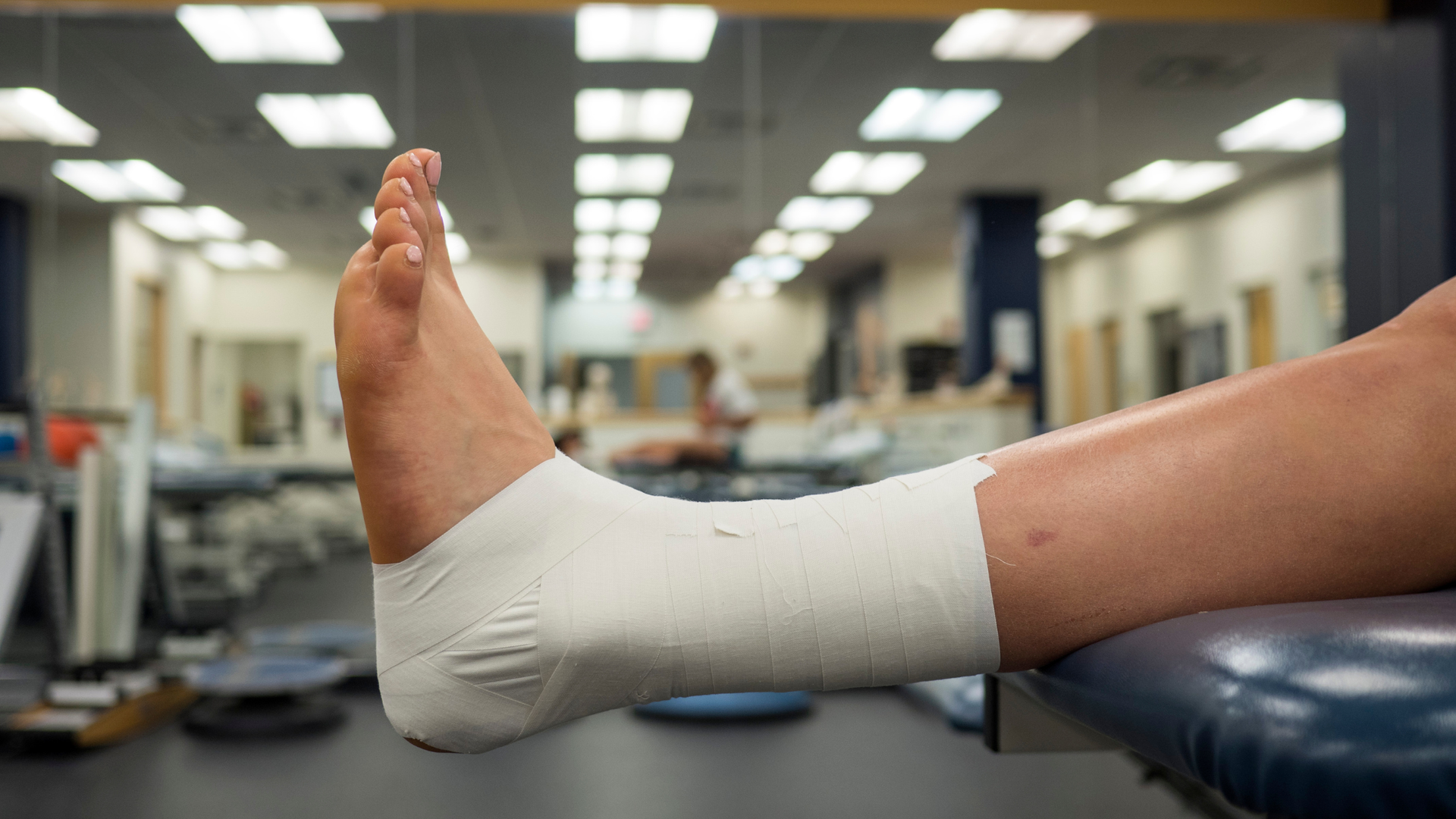
By VIV Builder • February 19, 2026
Don’t ignore an ankle sprain. Learn symptoms, causes, and why early treatment is key to preventing long-term pain and instability with expert podiatry care.
By VIV Builder • February 5, 2026
Show your feet some love this February. Learn about common foot problems like heel pain, ingrown toenails, and diabetic foot care, and how podiatry treatment can help.

By VIV Builder • January 23, 2026
Learn what a podiatrist does and how they can help treat foot and ankle conditions. Discover when to seek care and how to stay active, pain-free, and healthy.

By VIV Builder • January 9, 2026
Start the new year pain-free by addressing heel pain early. Learn common causes like plantar fasciitis and how podiatry care can help you stay active and comfortable.

By VIV Builder • December 18, 2025
Start 2026 on the right foot with expert podiatry care. Learn how to prevent foot pain, improve mobility, and stay active with comprehensive exams and treatment options.

Show More