


How to Treat Plantar Fasciitis: Podiatrist Guide
Plantar fasciitis is inflammation and irritation of the thick band of tissue supporting your foot, usually causing sharp heel pain with the first steps after rest. Treatment often combines activity changes, stretching, supportive footwear, targeted exercises, orthotics, and professional care to reduce pain and prevent recurrence.
What does plantar fasciitis feel like?
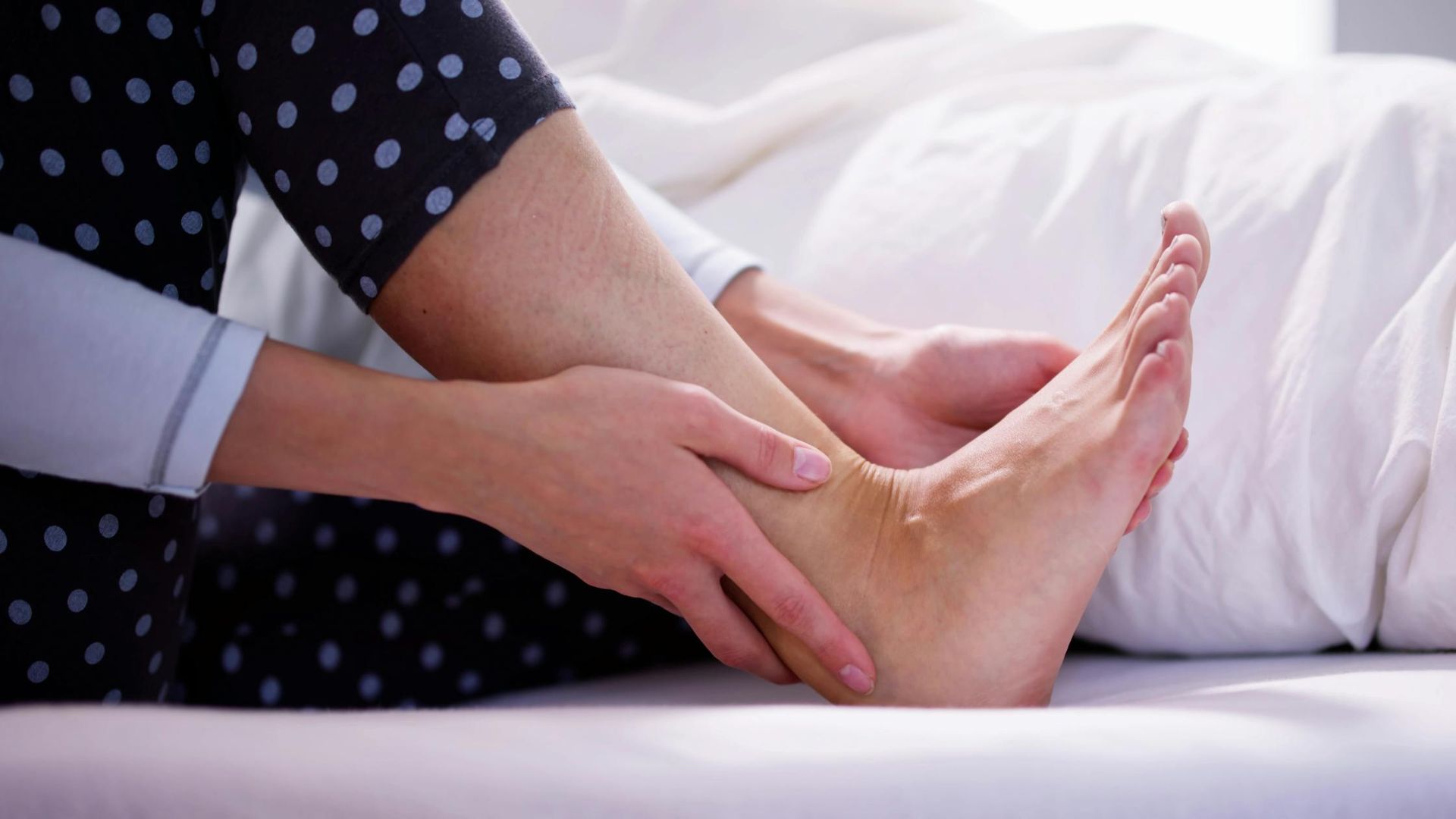
The most common symptom is a stabbing or aching pain beneath the heel or along the arch. Many people notice it most strongly when they get out of bed, stand after sitting, or begin walking after a long period of inactivity. The discomfort may improve as you move, then return after prolonged standing or exercise.
Common signs include:
- Sharp pain with your first morning steps
- Tenderness near the inside edge of the heel
- Pain after—not always during—physical activity
- Tightness in the calf or bottom of the foot
- Increasing discomfort after standing for long periods
Plantar fasciitis can affect one or both feet. Although it is common in runners and active adults, it can happen to anyone when the plantar fascia is repeatedly overloaded.
What causes plantar fasciitis?
The plantar fascia is a strong band connecting the heel bone to the base of the toes. It helps absorb impact and supports the arch while you walk. Repeated stress can create tiny areas of tissue irritation. Over time, that irritation may lead to heel pain and reduced mobility.
Risk factors include:
- A sudden increase in walking, running, or athletic training
- Tight calf muscles or limited ankle flexibility
- Flat feet or very high arches
- Shoes with poor cushioning or inadequate support
- Standing on hard surfaces for work
- Higher body weight, which increases load on the foot
- Abnormal walking mechanics or uneven foot pressure
Other conditions can also cause heel pain, including heel spurs, nerve irritation, tendon problems, or stress injuries. That is why an accurate evaluation matters before starting a long-term treatment plan.
How can a podiatrist diagnose plantar fasciitis?
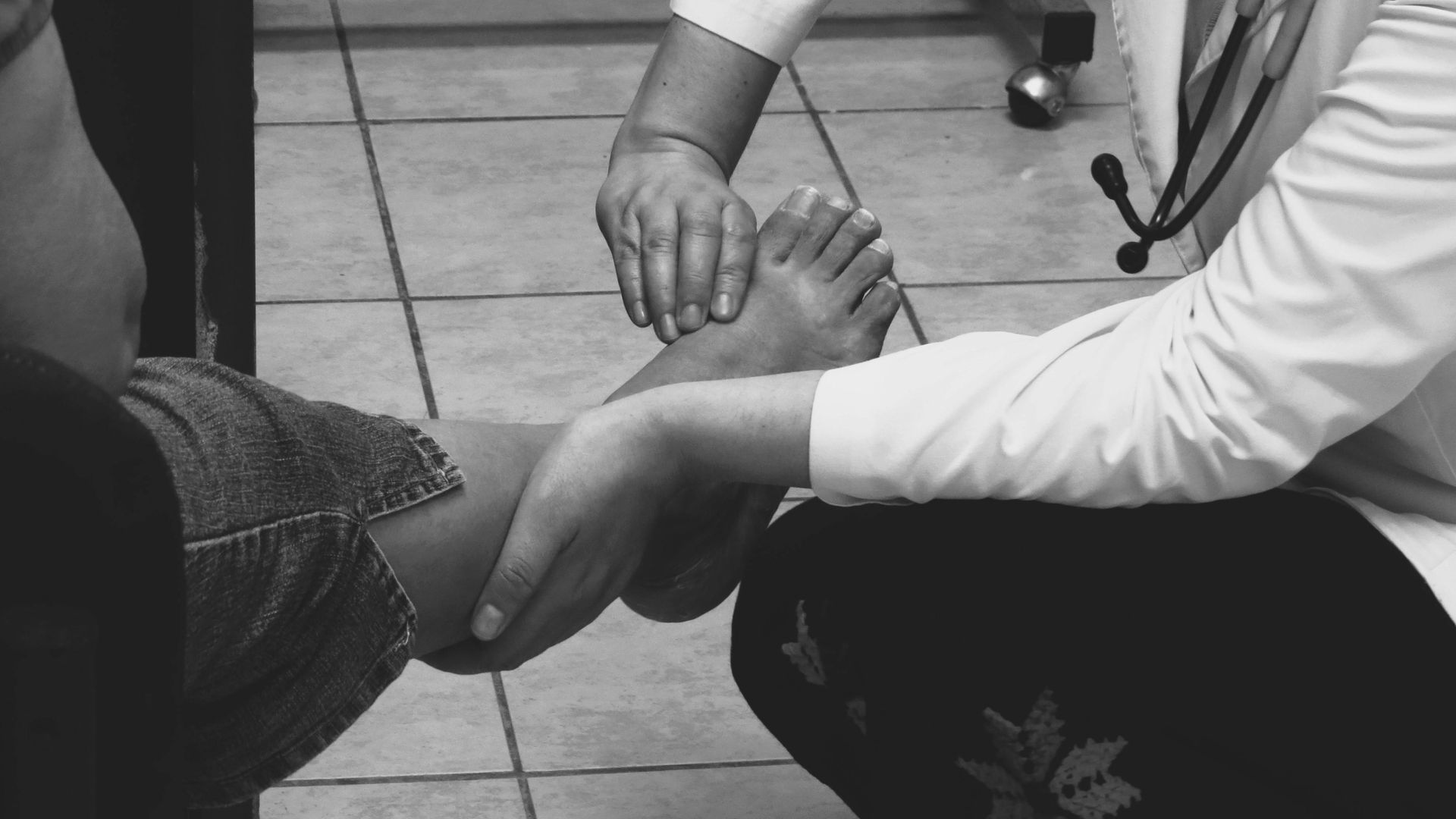
A podiatrist usually begins by discussing your symptoms, activity level, footwear, medical history, and when the pain occurs. During the examination, the provider may check for tenderness, evaluate your range of motion, observe your walking pattern, and assess your arch and ankle alignment.
Imaging is not always necessary, but X-rays, ultrasound, or other studies may be recommended when symptoms are severe, persistent, or unusual. These tests can help rule out fractures, arthritis, nerve conditions, or other sources of heel pain .
A professional diagnosis is particularly important if you have numbness, significant swelling, an injury, fever, or difficulty putting weight on the foot.
How to treat plantar fasciitis at home
Many mild cases improve with consistent conservative care. The goal is to calm irritation while reducing the stress placed on the plantar fascia.
1. Modify painful activities
Temporarily reduce high-impact activities such as running, jumping, and long walks if they worsen symptoms. Choose lower-impact options, such as cycling or swimming, while your foot recovers. Activity modification does not mean complete inactivity; it means finding movement your foot can tolerate.
2. Stretch the calf and plantar fascia
Gentle stretching can improve flexibility and reduce tension. Try a calf stretch against a wall and a plantar fascia stretch by pulling the toes back while seated. Hold each stretch for about 20–30 seconds and repeat several times daily, without bouncing or forcing painful movement.
3. Apply cold after activity
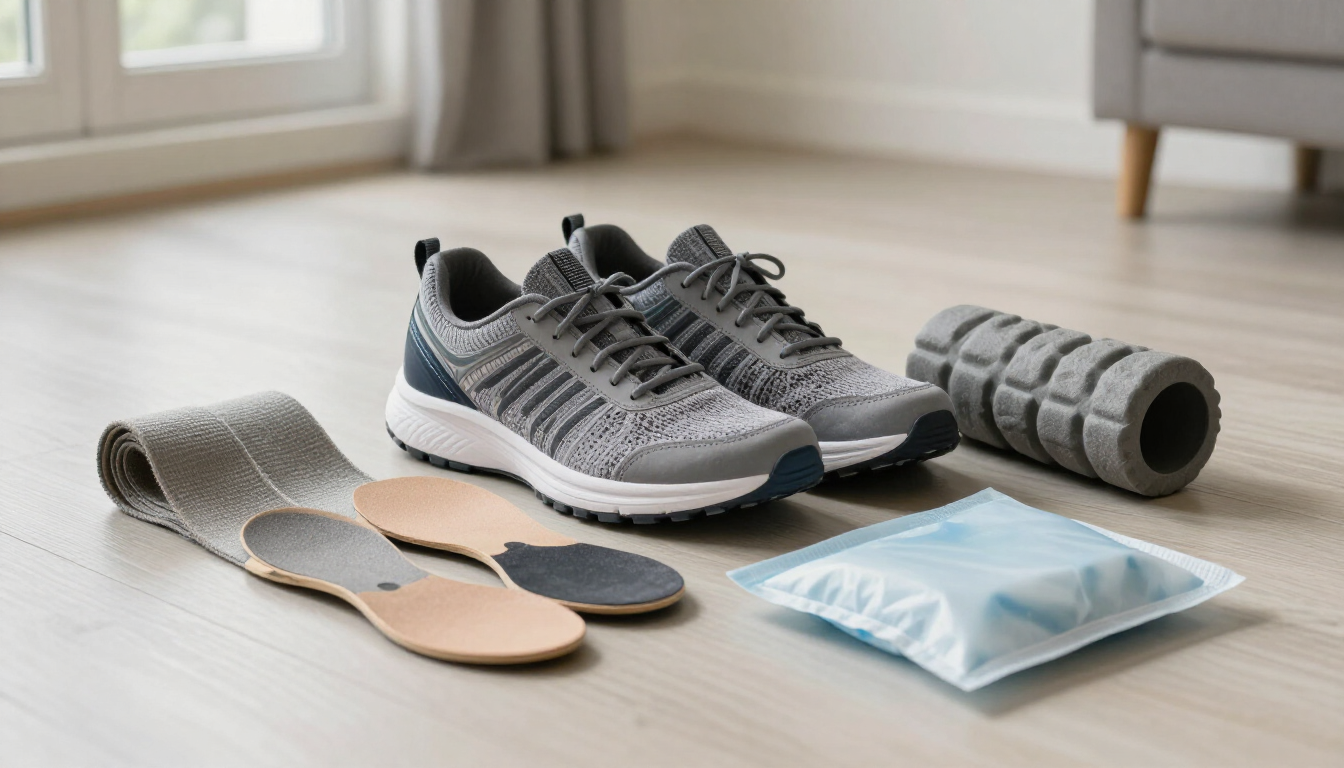
Use an ice pack wrapped in a thin towel for 15–20 minutes after activity. Rolling the foot over a chilled water bottle can combine gentle massage and cooling. Stop if your skin becomes numb or painful.
4. Choose supportive footwear
Wear shoes with adequate cushioning, a stable sole, and comfortable arch support. Avoid walking barefoot on hard floors, flimsy sandals, or worn-out athletic shoes. Your podiatrist can recommend footwear features suited to your foot shape and daily activities.
5. Consider orthotics
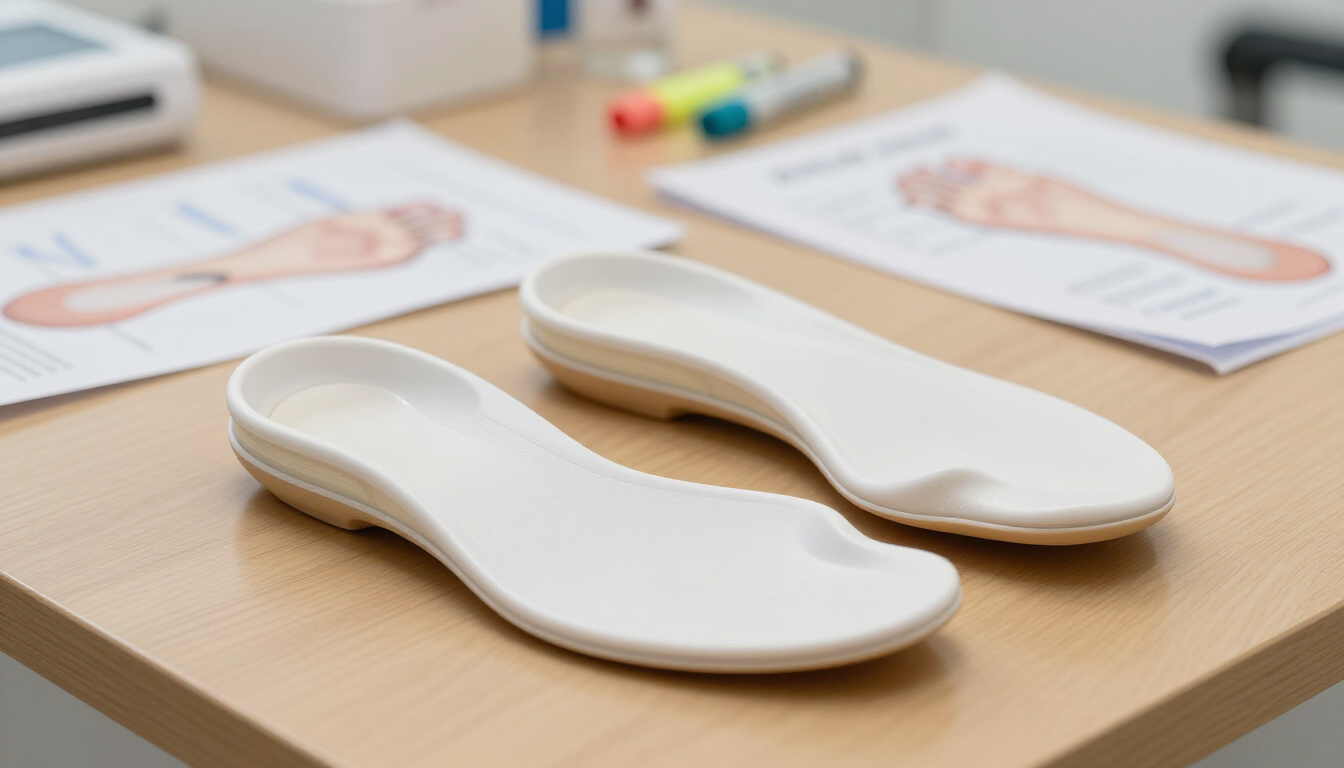
Custom or over-the-counter inserts may help distribute pressure more evenly and support the arch. Orthotics are most useful when they are selected for your specific mechanics rather than used as a one-size-fits-all solution.
When should you see a podiatrist for heel pain?
Schedule an evaluation if heel pain lasts more than a few weeks, keeps returning, interferes with work or exercise, or does not improve with home care. You should also seek prompt medical attention after an injury, if you cannot bear weight, or if the foot is noticeably swollen, red, warm, or numb.
Early care can prevent you from changing the way you walk to avoid pain. Those compensations may place extra stress on the ankle, knee, hip, or opposite foot. Patients with diabetes, circulation problems, or reduced sensation should be especially proactive about new foot symptoms. Learn more about protecting your feet through diabetic foot care .
Podiatrist treatment options
When home strategies are not enough, Complete Foot & Ankle Care can create a treatment plan based on your symptoms, goals, activity level, and foot mechanics. Treatment may include:
- Guided stretching and strengthening exercises
- Custom orthotics or shoe recommendations
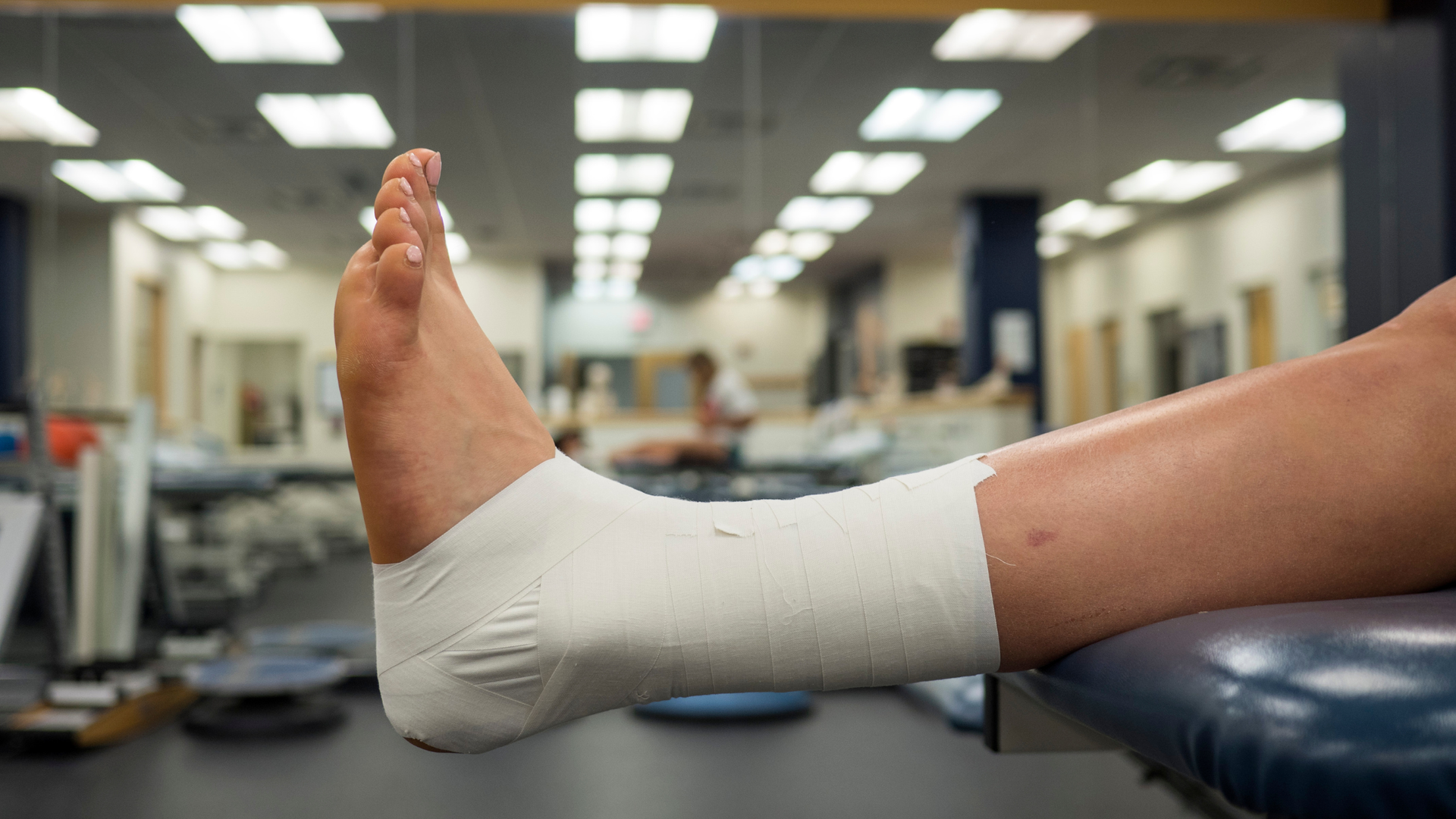
- Temporary support, taping, or bracing
- Physical therapy referrals or coordinated rehabilitation
- Anti-inflammatory strategies when medically appropriate
- Advanced treatments for persistent or difficult cases
MLS Laser Therapy may be considered in appropriate situations to support a broader plan for pain and inflammation management. Explore MLS Laser Therapy to learn more about this treatment option.
Most patients do not need surgery. Persistent symptoms deserve a fresh evaluation, because the diagnosis may need to be confirmed or contributing factors may need to be corrected. A podiatrist can also help you return to activity gradually instead of repeatedly triggering the same pain cycle.
How long does plantar fasciitis take to heal?
Recovery varies. Some people improve within several weeks with consistent care, while others need several months, especially when symptoms have been present for a long time or the underlying mechanics have not changed. Improvement is usually gradual rather than immediate.
Track useful signs of progress, such as:
- Less pain with the first steps in the morning
- Longer comfortable walking periods
- Reduced tenderness after activity
- Better ankle and calf flexibility
- Ability to resume exercise without a flare-up
Continue supportive habits after pain improves. Stopping all treatment as soon as symptoms ease can allow the original strain to return.
How can you prevent plantar fasciitis from coming back?
Prevention focuses on managing load and supporting healthy foot mechanics. Increase exercise intensity gradually, replace athletic shoes when cushioning breaks down, and include calf and foot mobility in your regular routine.
Warm up before vigorous activity and avoid sudden changes in training surfaces, distance, or speed. If your work requires long periods of standing, take brief movement breaks when possible. Maintaining a healthy weight may also reduce repetitive stress on the heel.
If you have recurring symptoms, ask a podiatrist to assess your gait, footwear, flexibility, and arch support. Addressing the contributing pattern is often more effective than repeatedly treating pain after it appears.
Frequently asked questions
Is plantar fasciitis caused by a heel spur?
Not necessarily. A heel spur is a bony growth that may appear on an X-ray, but it is not always the source of pain. Plantar fascia irritation and surrounding tissue sensitivity are more important when determining treatment.
Should I walk through plantar fasciitis pain?
Avoid activities that clearly increase pain during or after exercise. Gentle, comfortable movement is often fine, but pushing through sharp pain can delay recovery. A podiatrist can help define safe activity limits.
Are barefoot shoes good for plantar fasciitis?
They are not ideal for everyone, particularly during a painful flare-up. Shoes with appropriate cushioning and support may be more comfortable while symptoms settle. Footwear should match your structure, tolerance, and activities.
Can plantar fasciitis be permanently cured?
Many people achieve lasting relief with the right combination of load management, flexibility work, footwear, and treatment of contributing factors. Recurrence is less likely when supportive habits continue after symptoms improve.
Your next step for lasting heel-pain relief
Plantar fasciitis is common, but ongoing heel pain should not be ignored. Start with supportive shoes, gentle stretching, activity changes, and cold therapy when appropriate. If pain persists, returns frequently, or limits your daily life, a podiatrist can confirm the diagnosis and build a personalized plan. Complete Foot & Ankle Care helps patients understand the cause of their symptoms and choose practical treatment options. Review our plantar fasciitis services , then contact us to schedule an evaluation and take the next step toward comfortable movement.